📅 August 28, 2026 | 👤 Author: Gavin
💡 Key Takeaways for Fleet Operators
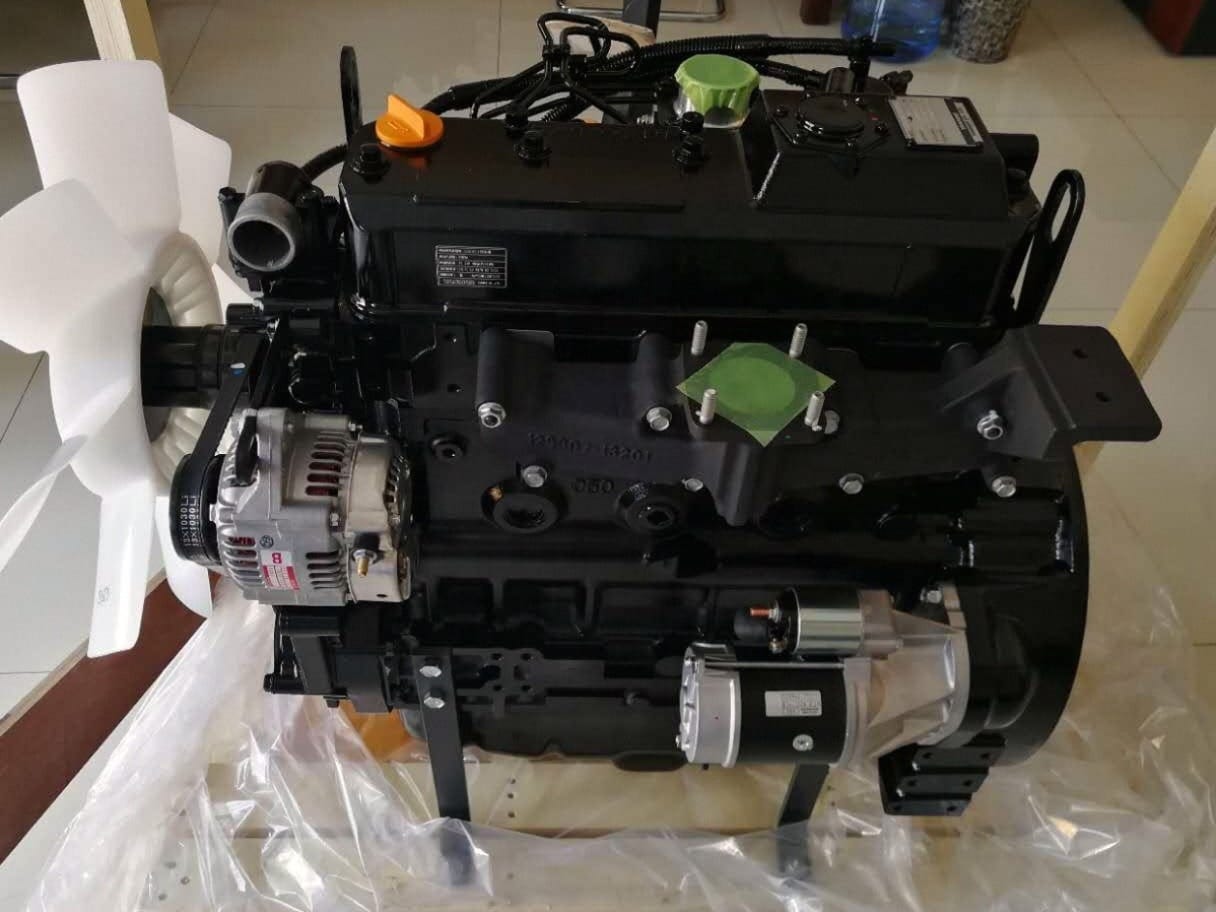
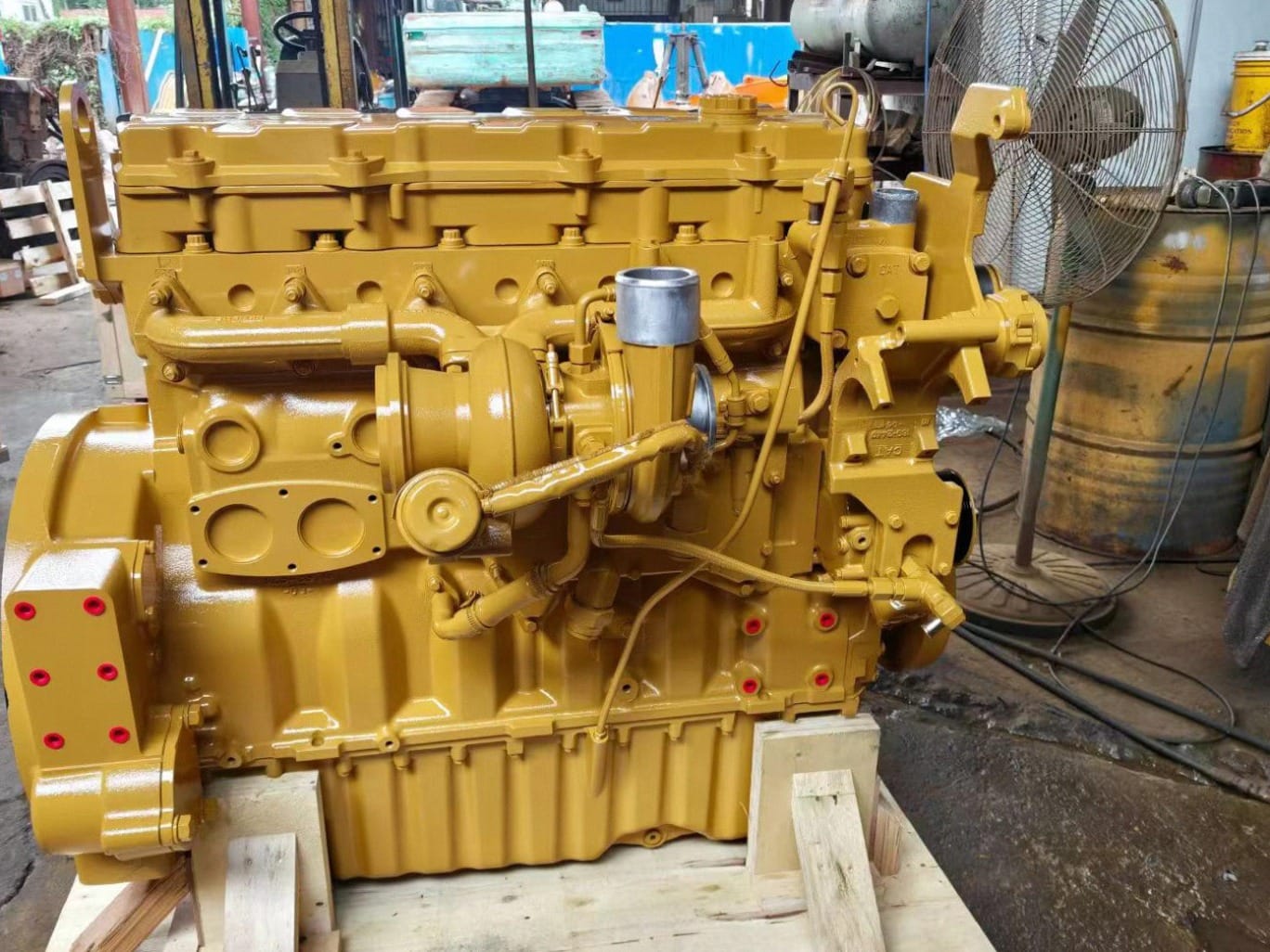
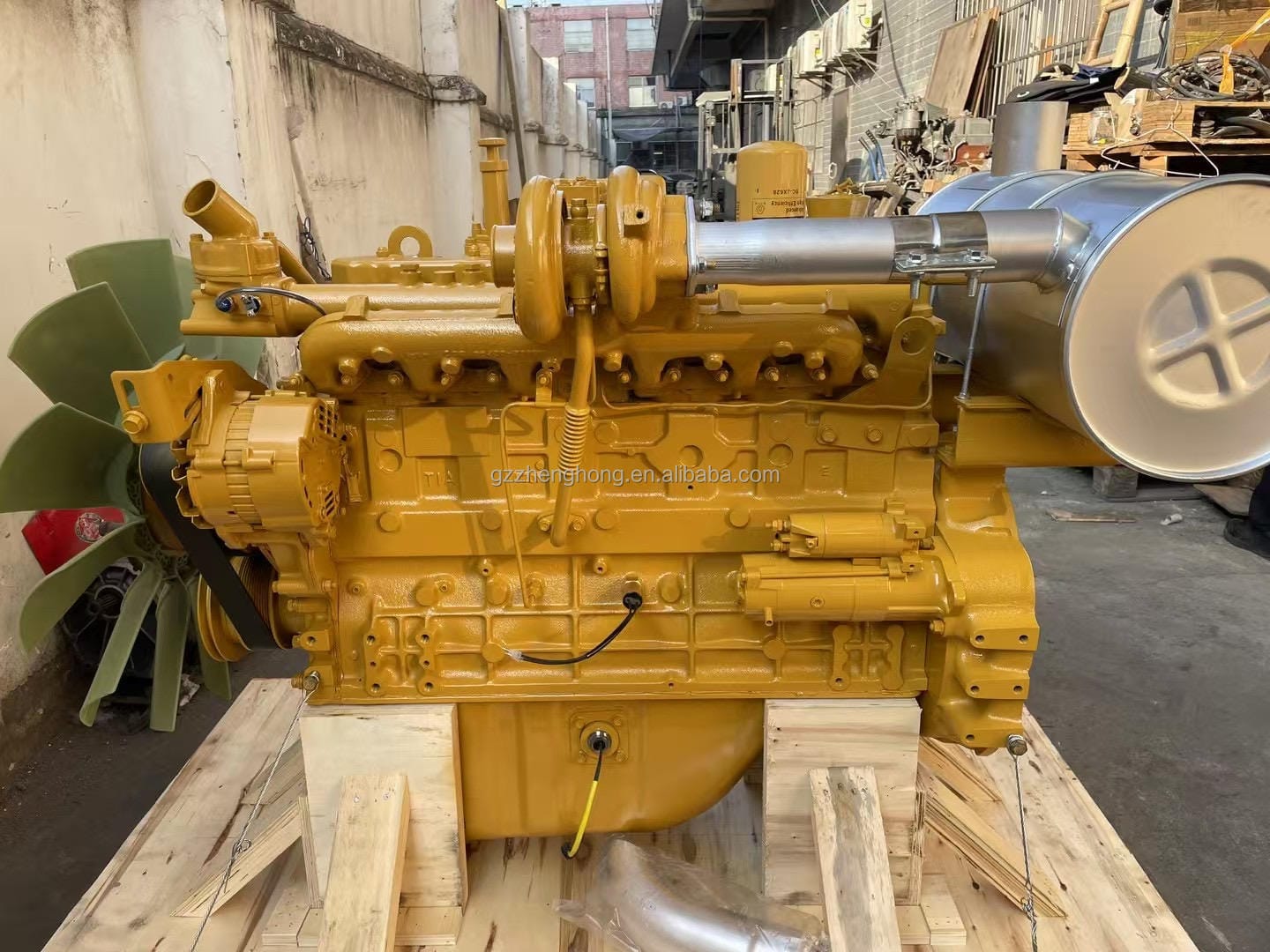
- Primary Application: Common-rail diesel engines powering compact to mid-size excavators, such as the Yanmar 4TNV94/4TNV98, Cummins QSB6.7, and Isuzu 4HK1/6HK1.
- The Diagnostic Core: Engine hard starting (long cranking times), excessive black smoke under load, and rough idling are typically caused by a drop in common-rail pressure, worn injector nozzles, or a failing high-pressure fuel pump.
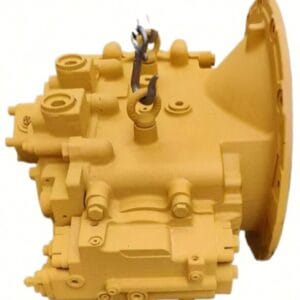
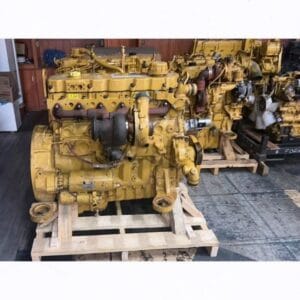
- Tatan Professional Engineering Standard: To restore precise fuel atomization and engine power, Tatan Machinery supplies high-precision fuel injection pumps, fuel injectors, feed pumps, and complete engine rebuild kits. Our injection components are machined with micron-level tolerances to maintain rail pressures up to 140 MPa without internal bypass.
The Common Rail Challenge: Balancing Extreme Fuel Pressures
Modern diesel engines in excavators and loaders utilize High-Pressure Common Rail (HPCR) systems to comply with strict emissions standards while delivering high torque at low RPMs. Unlike older mechanical injection systems that operated at relatively low pressures, HPCR systems operate at staggering pressures—often exceeding 140 MPa (over 20,000 psi). At this pressure, the diesel fuel is atomized into an ultra-fine mist, ensuring complete combustion and maximum fuel efficiency.
However, these extreme pressures mean that even the smallest amount of fuel contamination (such as water or microscopic dust particles) acts like an abrasive blasting agent. Over time, it wears down the tiny control valves inside the fuel injectors and the plungers of the high-pressure fuel pump. The resulting loss of pressure leads to a hard start, power drops, and unburnt fuel entering the exhaust, visible as heavy black smoke.
As expert diesel technicians on Heavy Equipment Forums frequently point out:
“If your Yanmar or Cummins engine cranks for more than 5 seconds before starting, do not just blame the starter or battery. Check the common-rail pressure during cranking. If the fuel pump or worn injectors are leaking fuel back to the return line, the system cannot reach the threshold pressure required for the ECU to command injection.”

Anatomy of Common Rail Failures: Injector Leak-Back and Pump Wear
An HPCR system’s performance relies heavily on three key components:
1. High-Pressure Fuel Pump
Driven by the engine’s gear train, this pump compresses fuel and feeds it to the rail. If the internal plungers wear out, the pump cannot supply enough volume during cranking (when engine speed is low), resulting in a hard starting condition when the engine is warm.
2. High-Pressure Fuel Injectors
Each injector contains a command valve and a nozzle. If the command valve seat wears out, fuel constantly leaks past the valve and returns to the tank. This “excessive return flow” prevents the rail from building pressure. Furthermore, if the nozzle tip is worn or partially clogged, it drips fuel instead of spraying it, causing incomplete combustion, rough idling, and thick black smoke under load.
3. Fuel Filters and Feed Pumps
The low-pressure feed pump draws fuel from the tank through the primary and secondary filters. If the filters are clogged, the high-pressure pump suffers from cavitation, which quickly destroys its internal ceramic or steel plungers.
According to fuel system diagnostic guides from SAE International, maintaining a fuel filtration efficiency of 99.9% at 4 microns is critical to protecting the ultra-fine clearances inside high-pressure common-rail components.
To source premium, direct-fit common-rail pumps, injectors, feed pumps, and complete engine overhaul kits, browse the Tatan Machinery Engine Parts Inventory.

Step-by-Step Diagnostic Sequence for Common Rail Engine Faults
If your excavator engine is hard to start or emitting excessive smoke, follow this systematic diagnostic sequence:
Step 1: Perform the Fuel Injector Return Flow Test (Leak-Back Test)
Connect individual measuring tubes to the return ports of each injector. Crank the engine for 10 seconds (or run at idle if the engine starts). Measure the volume of returned fuel. For example, according to the official Cummins QuickServe Service Manual, the maximum allowable return fuel flow for a QSB6.7 injector at cranking speed (approx. 150 RPM) is strictly limited to 120 mL/min. If any injector exceeds this limit, its internal command valve is worn out, causing the rail pressure to drop.
Step 2: Monitor Rail Pressure During Cranking
Connect a diagnostic scanner to the engine’s ECU and monitor the fuel rail pressure sensor during starting. Most common-rail engines (such as the Yanmar 4TNV98 or Isuzu 6HK1) require a minimum of **20.0 to 25.0 MPa** of pressure before the ECU will trigger the injectors. If the pressure during cranking stays below this limit, the high-pressure pump or a leaking pressure limiter valve on the rail is defective.
Step 3: Check Fuel Feed Pressure
Install a low-pressure gauge between the secondary fuel filter and the high-pressure pump inlet. The feed pressure should remain steady within the manufacturer’s specified range (typically **0.3 to 0.5 MPa**). Low feed pressure indicates a clogged filter, restricted suction line, or a failing low-pressure feed pump.
Official OEM Technical Specifications: Common Rail Systems
| Engine Model | Typical Excavator | Cranking Rail Pressure Min | Max Operating Pressure | Fuel Filter Spec (Rating) |
|---|---|---|---|---|
| Yanmar 4TNV98 | Yanmar / Kobelco Minis | 20.0 MPa (2,900 psi) | 135.0 MPa (19,580 psi) | 4 microns (Primary & Secondary) |
| Cummins QSB6.7 | Hyundai / Sany Excavators | 25.0 MPa (3,625 psi) | 160.0 MPa (23,200 psi) | 3 microns (High-Efficiency) |
| Isuzu 6HK1 | Hitachi ZX200-3 / ZX240 | 22.0 MPa (3,190 psi) | 145.0 MPa (21,030 psi) | 4 microns (Multi-stage) |
Keep Your Diesel Engines Running Strong with Tatan Machinery
Preventing premature fuel system wear requires sourcing precision-manufactured parts designed to handle high pressures and abrasive fuel conditions. Whether you need high-pressure common-rail pumps, precision fuel injectors, durable feed pumps, or complete engine rebuild kits, Tatan Machinery provides reliable, OEM-standard replacement parts for Yanmar, Isuzu, Cummins, and Perkins engines.
To find the exact fuel injection and engine components for your machinery fleet, visit Tatan Machinery and contact our support team today.
(For further reading on diesel common-rail diagnostics and standards, consult technical documents at SAE International or refer to filter testing standards from the International Organization for Standardization (ISO).)