September 8, 2026 | Author: Gavin
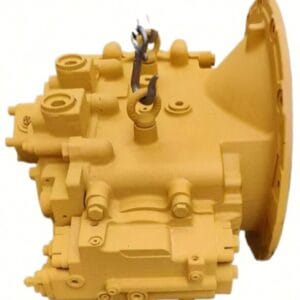
Excavator hydraulic pump repair guide procedures are critical when a machine’s hydraulic system suffers from slow cycle times, excessive high-pitched whining under load, or a sudden loss of digging power. These symptoms are caused by internal bypass inside the pump’s rotary group, where high-pressure hydraulic oil leaks past worn clearances between the pistons and the cylinder block bore. This internal leakage converts valuable pressure energy into heat, causing the hydraulic system to overheat rapidly.
Before deciding to purchase a complete hydraulic pump assembly, mechanics must perform systematic flow and pressure tests to determine if the internal wear is rebuildable. This guide details the wear limits, testing steps, and component replacements needed to restore hydraulic efficiency.
The Mechanics of Internal Hydraulic Bypass
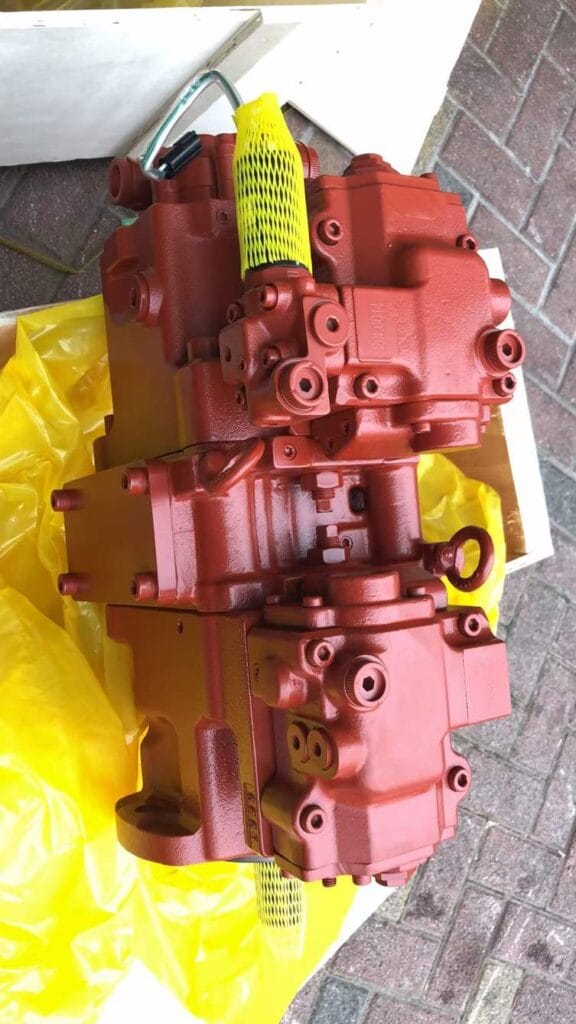
At the center of an axial piston pump is the cylinder block, which contains nine pistons held against a swash plate by a cradle and piston shoes. As the pump rotates, the pistons slide in and out of their bores, drawing in low-pressure oil and forcing it out as high-pressure oil. The interface between the rotating cylinder block and the stationary valve plate must remain perfectly flat (smooth within 0.002 mm) to prevent pressure from bypassing back to the suction port.
To repair these clearances, mechanics utilize specialized excavator hydraulic pump repair kits containing new pistons, cylinder blocks, valve plates, set plates, and ball guides. Additionally, replacing the old, brittle seals with fresh excavator hydraulic parts seal kits prevents high-temperature oil leaks past the pump shaft or control regulator housings.
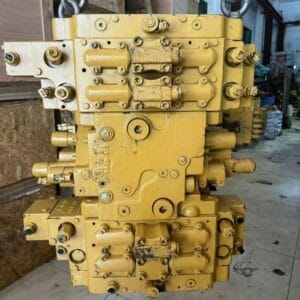
If the main relief valve inside the main control valve assembly is stuck or worn, the pump will struggle to build maximum working pressure (typically 34.3 to 37.3 MPa). This pressure drop is often mistaken for a bad pump, emphasizing the importance of measuring relief pressures before removing the pump housing.
A Step-by-Step Excavator Hydraulic Pump Repair Guide
When executing an excavator hydraulic pump repair guide, follow this testing sequence to isolate the failure:
Step 1: Perform the Case Drain Leakage Test
Disconnect the main case drain hose from the pump housing and run it into a clean, calibrated container. Start the engine and run at high idle under full relief pressure.
Diagnostic Result: For popular machines using Komatsu excavator parts or Hitachi excavator parts, the standard case drain flow must not exceed 15 liters per minute (L/min) at maximum working pressure. If the leakage exceeds this limit, the clearance between the pistons and cylinder block is worn beyond specification, and the rotary group must be replaced.
Step 2: Inspect the Valve Plate and Cylinder Block Face
Disassemble the pump housing and remove the cylinder block. Inspect the flat face that contacts the valve plate.
Diagnostic Result: If you find deep scratches, scoring, or a bronze smear on the steel block face, the pump has suffered from cavitation or oil contamination. The mating surfaces must be ground and lapped flat, or replaced with new parts from a repair kit.
Step 3: Check Piston Shoe Play
Measure the axial play (clearance) between each piston shoe and the swash plate using a feeler gauge.
Diagnostic Result: The axial clearance of the piston shoe must remain below 0.10 mm. If the clearance is larger, the shoes will wobble during rotation, leading to catastrophic shoe detachment and pump lockup.
Official OEM Hydraulic Pump Specifications
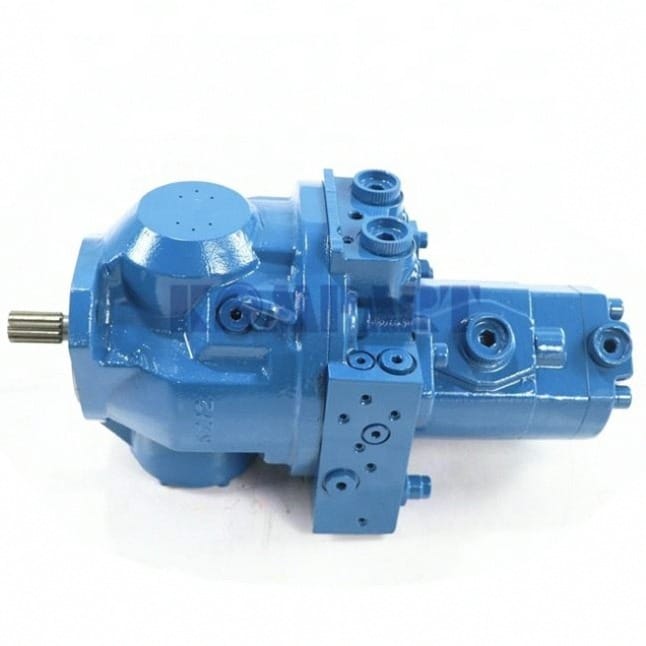
| Pump Model | Standard Working Pressure | Max Case Drain Limit | Max Piston Shoe Clearance | Required Oil Cleanliness |
|---|---|---|---|---|
| Kawasaki K3V112DT | 34.3 MPa (4,974 psi) | 15 L/min (4.0 GPM) | 0.10 mm (0.004 in) | ISO 18/16/13 (Max) |
| Komatsu HPV95 | 37.3 MPa (5,410 psi) | 18 L/min (4.7 GPM) | 0.12 mm (0.005 in) | ISO 17/15/12 (Max) |
| Rexroth A10VO71 | 28.0 MPa (4,060 psi) | 12 L/min (3.1 GPM) | 0.08 mm (0.003 in) | ISO 18/16/13 (Max) |
Restore Your Hydraulic System with Tatan Machinery
An excavator hydraulic pump repair guide is only successful when using high-durability components designed to withstand constant pressure and sliding friction. To ensure your hydraulic system achieves maximum flow and pressure without overheating, Tatan Machinery provides high-efficiency hydraulic pump assemblies, rotary group repair kits, high-pressure seal kits, and main control valve parts. Our components are manufactured to meet or exceed strict OEM specifications, preventing internal bypass.
To find the exact components for your hydraulic system and request a custom quote, visit Tatan Machinery today.
(For further reading on mobile equipment hydraulic testing and pump design standards, consult guidelines at SAE International or refer to oil cleanliness standards under the International Organization for Standardization (ISO).)