
📅 August 28, 2026 | 👤 Author: Gavin
💡 Key Takeaways for Fleet Operators
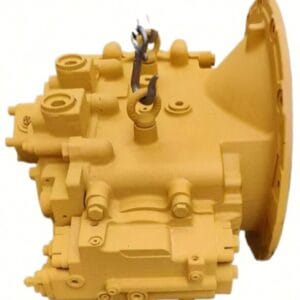
- Primary Application: The Kawasaki K3V112DT is the gold standard power unit for 20-ton excavators, such as the Kobelco SK200-8, Hyundai R210-7, and Doosan DH220-5.
- Failure Root: System sluggishness or abnormal whining usually points to a loss of volumetric efficiency at the cylinder block and valve plate interface.
- Tatan 2026 Standard: Our Premium series components utilize HRC 58-62 hardened alloy steel, ensuring stable pressure output even when hydraulic oil temperatures exceed 85°C.
Understanding Power Loss in K3V112DT Systems
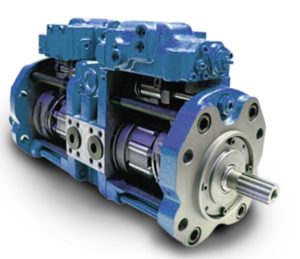
The K3V112DT axial piston pump is renowned for its reliability, but its high power density makes it susceptible to internal wear. As documented in the Kawasaki Precision Machinery Technical Manual:
“Maintaining the hydrostatic balance between the piston shoes and the swash plate is critical; any clearance deviation exceeding 0.005mm results in immediate torque reduction.”
In mining and abrasive construction environments, “Pump Cavitation” often occurs due to restricted suction lines. As expert technicians on Heavy Equipment Forums frequently warn:
“If you find bronze metallic flakes in your hydraulic return filter, your K3V112DT’s valve plate is already scoring the cylinder barrel, and a total seize-up is imminent.”
(Source: Mecatra Hydraulic Systems Diagnostic Library)
The Mechanics of Wear: Why Cylinder Blocks and Valve Plates Fail
At the heart of the K3V112DT’s volumetric efficiency are the sliding interfaces. The cylinder block rotates against a stationary valve plate under immense hydraulic clamping forces.
When hydraulic oil temperatures exceed 80°C, the viscosity of the fluid drops significantly. This thin oil film fails to prevent metal-to-metal contact, leading to adhesive wear. To mitigate this, high-performance replacement components must possess specific material characteristics:
- Bimetallic Valve Plates: A combination of a hardened steel backing with a sintered bronze layer offers the best compromise between structural strength and low-friction sliding performance.
- High-Hardness Cylinder Blocks: Under heavy load, inferior blocks warp, causing pressure cross-talk between the suction and discharge ports. Component materials adhering to the ISO 4406 cleanliness and HRC 58-62 hardness standards drastically reduce this risk.
According to the International Organization for Standardization (ISO), maintaining fluid cleanliness and component hardness tolerances directly correlates with a significant extension in hydraulic pump lifespan under continuous heavy load conditions.
Step-by-Step Troubleshooting for K3V112DT Performance Drops
If your excavator (such as the Kobelco SK200-8) is experiencing sluggish cycles or stalling when warm, follow this structured diagnostic sequence before ordering a replacement pump:
Step 1: Measure Pilot Control Pressure
Before blaming the main pump, check the pilot gear pump output. Connect a 100-bar gauge to the pilot test port. At high idle, the pressure should register between 3.9 and 4.2 MPa (39–42 bar). If it is lower, inspect the pilot relief valve for debris or spring fatigue.
Step 2: Perform Case Drain Flow Test
Case drain flow is the most reliable indicator of internal pump wear.
- Disconnect the case drain line from the pump and run it into a calibrated container.
- Start the engine, bring the hydraulic oil to normal operating temperature (approx. 50°C), and cycle a function to relief pressure.
- Measure the leakage rate over one minute. For a healthy K3V112DT, the case drain flow should not exceed 15 to 20 liters per minute at maximum system pressure. Exceeding this indicates excessive clearance between the pistons and the cylinder block bores.
Step 3: Inspect the Regulator (Control Valve)
If the pump stalls the engine under load, the regulator pistons may be seized. Remove the regulator covers and verify that the feedback levers move freely and that the control springs are intact.
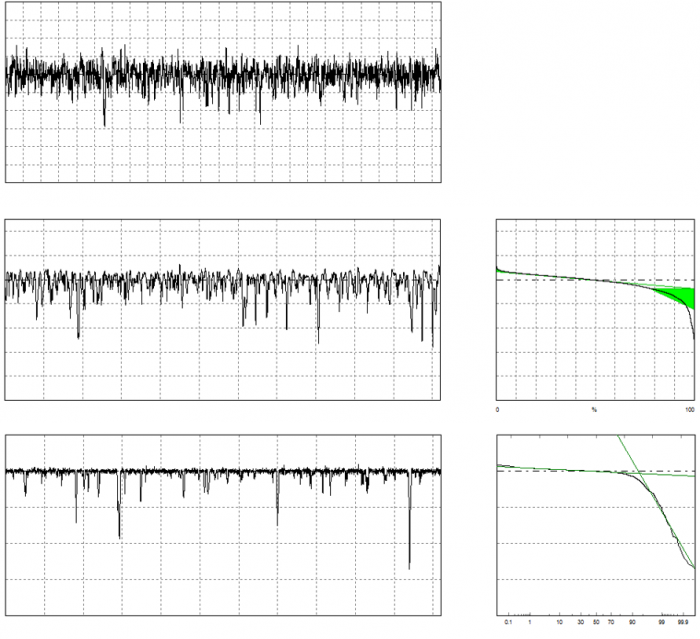
(Source: Digital Metrology Solutions Surface Parameters – Showing surface precision comparison used in hydraulic and bore tolerances)
Technical Selection Guide: Kobelco SK200-8 vs. Hyundai R210-7
While the core K3V112DT design remains consistent, manufacturers customize specific parameters (such as regulator configurations, gear pump attachments, and input shaft splines) to match their engine torque curves.
| Machine Model | Engine Type | Shaft Spline / Port Config | Key Sourcing Considerations |
|---|---|---|---|
| Kobelco SK200-8 | Hino J05E | 17-Teeth Spline / Standard SAE Flange | Requires precise matching of the electronic proportional solenoid valve (PSV) resistance specs. |
| Hyundai R210-7 | Cummins 6BTA5.9 | 17-Teeth Spline / Split Flange Ports | Ensure the regulator’s power-shift calibration matches the Cummins mechanical governor curve. |
| Doosan DH220-5 | Daewoo DB58T | 17-Teeth Spline / Standard Metric | Pay close attention to the rear pilot pump shaft length to ensure alignment. |
Expert Q&A for Fleet Maintenance Engineers
Q1: Can I replace just the rotary group (pistons, cylinder block, valve plate) instead of the complete K3V112DT assembly?
A: Yes, rebuilding the rotary group is highly cost-effective if the main housing and shaft are undamaged. However, you must always replace the valve plate, cylinder block, and pistons as a matched set. Reusing worn pistons in a new cylinder block will result in immediate pressure bypass and rapid failure. Always replace the shaft seal and O-rings with high-temp fluororubber (Viton) kits.
Q2: Why does my hydraulic pump whine loudly when I first start the excavator in cold weather?
A: This is likely due to high oil viscosity causing suction cavitation. Cold, thick hydraulic oil cannot pass through the suction strainer quickly enough, creating a partial vacuum in the pump chambers. This collapses vapor bubbles violently, causing the characteristic whining sound. To prevent damage, always allow the machine to idle and warm up the hydraulic fluid gradually before operating at full load.
(For further reading on hydraulic standards, consult the National Fluid Power Association (NFPA) guidelines on heavy machinery system maintenance.)