September 8, 2026 | Author: Gavin
During high-pressure digging operations, excavator hydraulic pump cavitation troubleshooting is a critical procedure when the main pump emits a loud, high-pitched whining noise. Cavitation and aeration occur when air bubbles form in the hydraulic oil and collapse violently as they enter the high-pressure chambers of the pump. If left unresolved, these micro-explosions generate localized temperatures exceeding 1,000 degrees Celsius, rapidly pitting the cylinder block and valve plate, leading to complete pump failure.
For fleet maintenance managers and workshop mechanics, identifying whether the pump is suffering from aeration (air entering the suction line) or cavitation (restriction in the suction line) is essential to choosing the correct repair path. This guide details the physical mechanics of fluid vaporization, diagnostic indicators, and field troubleshooting sequences.
The Physics of Cavitation vs. Aeration
Although both phenomena cause similar whining noises, they have different root causes:
1. Cavitation (Fluid Starvation)
If the suction strainer is clogged or the suction hose is restricted, the main pump cannot draw enough hydraulic oil. This creates a severe vacuum inside the pump chambers. When the absolute pressure drops below the vapor pressure of the oil, the fluid vaporizes, forming thousands of vapor bubbles. As these bubbles travel to the high-pressure discharge port (up to 35.0 MPa), they collapse instantly, tearing metal particles from the pistons and cylinder block faces.
2. Aeration (Air Ingress)
Aeration occurs when free air enters the suction line from an external leak, such as a loose hose clamp, a cracked suction pipe, or a damaged pump shaft oil seal. The air bubbles mix with the oil, causing foaming in the hydraulic reservoir, erratic cylinder movements, and spongy joysticks.
Implementing an aggressive program of excavator hydraulic pump cavitation troubleshooting ensures that internal components are protected. Over time, both conditions will erode the bronze layer of the valve plate, causing severe internal leakage and a loss of hydraulic flow.
To source premium, high-hardness piston pump rebuild kits, cylinder blocks, valve plates, and heavy-duty shaft seals, visit Tatan Machinery.
Procedures for Excavator Hydraulic Pump Cavitation Troubleshooting
When conducting excavator hydraulic pump cavitation troubleshooting, check these four areas systematically to isolate the air leak or restriction:
Step 1: Check the Hydraulic Oil Reservoir Pressurization
Modern excavators use a pressurized hydraulic tank (typically maintained at **0.1 to 0.15 MPa** by a tank breather valve) to force oil into the main pump inlet. If the tank breather valve is sticking open, the reservoir loses pressure, reducing the head pressure at the pump inlet and causing cavitation, especially during cold starts when oil viscosity is high.
Step 2: Inspect the Suction Hose and Clamps
Clean the entire suction hose connecting the hydraulic tank to the main pump inlet. Coat the hose fittings and joints with heavy grease or soapy water while the pump is running.
Diagnostic Result: If the pump noise drops momentarily or if you see grease sucked into a joint, you have located an aeration leak. Tighten the hose clamps or replace the suction hose immediately.
Step 3: Inspect the Hydraulic Oil for Foaming
Stop the engine and immediately open the hydraulic tank cap to inspect the oil surface.
Diagnostic Result: If the oil is filled with tiny bubbles and looks like a cloudy foam, the system is suffering from aeration. Check the pump shaft oil seal; a worn shaft seal will draw air into the pump under vacuum while showing no external oil leaks when the machine is stopped.
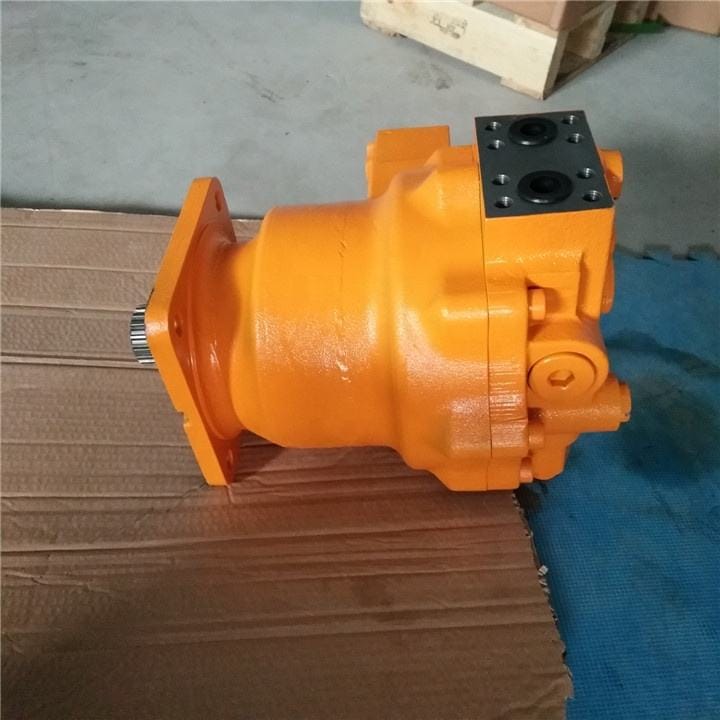
Official OEM Technical Specifications: Pump Inlet Parameters
| Machine Model | Standard Pump Inlet Vacuum Limit | Required Hydraulic Tank Pressure | Max Case Drain Backpressure | Suction Strainer Mesh Size |
|---|---|---|---|---|
| Komatsu PC200-8 | -0.03 MPa (Max Vacuum) | 0.12 MPa (17.4 psi) | 0.20 MPa (29 psi) | 150 microns (Stainless Steel) |
| Caterpillar 320D | -0.025 MPa (Max Vacuum) | 0.15 MPa (21.8 psi) | 0.15 MPa (21.8 psi) | 140 microns (Stainless Steel) |
| Hitachi ZX200-3 | -0.03 MPa (Max Vacuum) | 0.10 MPa (14.5 psi) | 0.20 MPa (29 psi) | 150 microns (Stainless Steel) |
Restore Pump Efficiency with Tatan Machinery
Prevent high-cost pump destruction by using high-precision components designed to operate under strict vacuum and pressure limits. By sourcing high-hardness cylinder blocks, pistons, valve plates, shaft seals, and suction strainers from Tatan Machinery, you can restore your hydraulic system’s speed and eliminate destructive whining noises. Our parts are built to meet or exceed strict OEM specifications.
To explore our complete hydraulic parts catalog and request a custom quote, visit Tatan Machinery today.
(For further reading on hydraulic pump inlet design and cavitation prevention, consult guidelines at SAE International or refer to oil cleanliness standards under the International Organization for Standardization (ISO).)