August 28, 2026 | Author: Gavin
During continuous heavy-duty digging, excavator hydraulic oil overheating is a critical issue that directly impacts system efficiency. To maintain operating temperatures within the standard range of 50 to 80 degrees Celsius, the system relies on an aluminum oil cooler to dissipate heat. When hydraulic oil temperatures exceed 90 degrees Celsius, the oil’s viscosity drops, oil films break down, and hydraulic seals quickly degrade, causing a loss of system pressure and slow cycle times.
For fleet managers and mechanics, diagnosing high hydraulic oil temperatures systematically is essential to preventing pump failure and expensive downtime. This guide breaks down the physical mechanics of hydraulic heat generation, the root causes of overheating, and the precise step-by-step diagnostic procedures utilized by field service engineers.
The Mechanics of Hydraulic Heat Generation
In a closed hydraulic circuit, heat is generated when mechanical energy is converted into fluid friction. When hydraulic oil is forced through restricted passages, worn valve spools, or relief valves under high pressure, the pressure drop converts directly into heat. This physical process is known as shear heating.
Consider a standard ISO VG 46 hydraulic oil. At its optimal operating temperature of 50 degrees Celsius, its kinematic viscosity is approximately 46 centistokes (cSt), providing an effective lubricating film on internal pump components. However, if the oil temperature rises to 90 degrees Celsius, the viscosity drops below 10 cSt. At this low viscosity, the fluid film is too thin to prevent metal-to-metal contact between the pistons and cylinder bore, causing high wear rates and severe internal leakage inside the main pump.
As service technicians on the Heavy Equipment Forums point out:
“High hydraulic oil temperature is usually a symptom of internal bypass. When high-pressure oil leaks past worn clearances inside a pump or motor back to the low-pressure drain, it does no mechanical work but generates massive thermal energy.”
Root Causes of Excavator Hydraulic Oil Overheating
When troubleshooting excavator hydraulic oil overheating, mechanics must check three primary areas to find the source of the thermal spike:
1. External Clogging of the Oil Cooler Core
The aluminum oil cooler depends on unimpeded air flow to transfer heat. Dust, grease, and debris frequently accumulate in the cooling fins. If the air passages are blocked, the cooling fan cannot pull enough air through the core, causing oil temperatures to spike during heavy work.
2. Malfunctioning Thermostatic Bypass Valve
To protect the oil cooler from high-pressure spikes when the oil is cold and thick, the system utilizes a bypass valve. When the oil is cold, the valve remains open, allowing oil to bypass the cooler. As the oil warms up (typically above 60 degrees Celsius), the thermostatic element should close the bypass, forcing all oil through the cooler core. If the valve spring is fatigued or the spool is stuck open, hot oil will continue to bypass the cooler, leading to overheating.
3. Internal Bypass in Worn Components
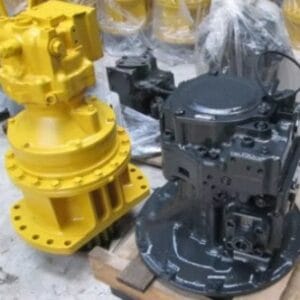
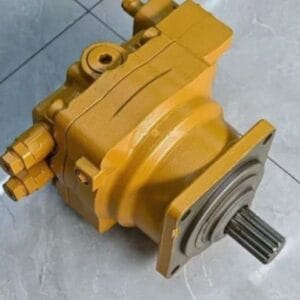
If the oil cooler is clean and the bypass valve is operating correctly, the heat is likely generated by excessive internal leakage. Worn main pump rotary groups, travel motor pistons, or control valve spools allow pressurized oil to escape into return lines, generating high heat levels and accelerating excavator hydraulic oil overheating.
To source premium, direct-fit replacement oil coolers, thermostatic valves, and high-temperature seal kits, browse the Tatan Machinery Parts Catalog.
Systematic Diagnostic and Testing Sequence
To systematically diagnose excavator hydraulic oil overheating, follow this diagnostic sequence to isolate the failing component:
Step 1: Measure Temperature Drop Across the Cooler (Delta T)
Run the machine until the hydraulic oil reaches 70 degrees Celsius. Use an infrared thermometer to measure the temperature of the oil cooler inlet pipe and the outlet pipe.
Diagnostic Result: A properly functioning cooling system should show a temperature drop (Delta T) of 5 to 8 degrees Celsius across the cooler core. If the temperature drop is minimal (less than 2 degrees Celsius), the cooler core is internally clogged with sludge, or the air flow through the fins is restricted.
Step 2: Inspect the Bypass Valve Operation
Measure the temperature of the bypass return line compared to the oil cooler inlet pipe while the oil is hot (above 70 degrees Celsius).
Diagnostic Result: The bypass line should feel significantly cooler than the inlet pipe, indicating that the bypass valve has closed. If the temperatures of both lines are identical, the bypass valve spool is stuck open, and the oil is bypassing the cooler core.
Step 3: Test Component Case Drain Temperatures
Use your infrared thermometer to measure the temperature of the case drain lines from the main hydraulic pump, the swing motor, and the travel motors while the machine is operating under load.
Diagnostic Result: Case drain oil temperatures should not exceed 80 degrees Celsius. If a specific travel motor or the main pump case drain line registers above 90 degrees Celsius, that component has severe internal wear, causing excessive oil bypass and high heat generation.
The Impact of Overheating on Hydraulic Seals and Viscosity
Consistent operation with excavator hydraulic oil overheating causes irreversible damage to hydraulic fluid and dynamic seals:
| Hydraulic Oil Temp | Oil Viscosity Status | Effect on Polyurethane & NBR Seals | System Performance Impact |
|---|---|---|---|
| 50 – 80 °C (Standard) | Optimal (46 – 15 cSt) | Seals remain highly elastic; lip tension is maintained | Maximum system speed and pressure retention. |
| 85 – 95 °C (Critical) | Thin (12 – 9 cSt) | Polyurethane seals begin to harden and lose elasticity | Minor loss of travel speed; slight cylinder drift under load. |
| Above 100 °C (Severe) | Extremely Thin (Below 8 cSt) | NBR seals become brittle and crack; seals extrude into clearances | Severe power loss, engine pulling down, rapid seal blowout. |
Frequently Asked Questions
Q1: How does a worn pilot gear pump contribute to system overheating?
A: A worn pilot gear pump has low volumetric efficiency. To maintain the pilot pressure required to shift the control valve spools (typically 3.9 to 4.2 MPa), the pilot relief valve must work continuously under high resistance. This continuous bypass shears the oil, generating high heat levels directly in the pilot circuit, which is returned to the main hydraulic tank.
For high-durability pilot gear pumps designed to maintain efficiency and prevent heat generation, explore the options available at Tatan Machinery.
Q2: Why does my excavator’s hydraulic oil temperature get high only when traveling long distances?
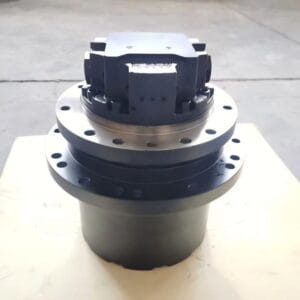
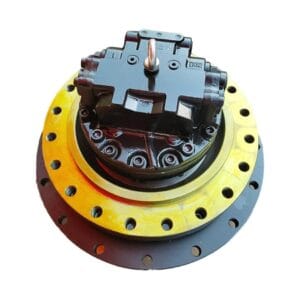
A: Travel motors are high-displacement axial piston motors that run at high speeds during travel. If the travel motor’s pistons or valve plates are worn, high-pressure oil bypasses the rotary group into the motor case. This bypassed oil shears rapidly, creating high thermal energy that is returned to the main reservoir through the center swivel joint, quickly heating the entire system.
High-Performance Sealing and Cooling Components
Understanding how to manage excavator hydraulic oil overheating is key to extending pump and seal life. Whether you need high-efficiency aluminum oil coolers, durable thermostatic bypass valves, or high-temperature-resistant Viton (FKM) cylinder seal kits, Tatan Machinery provides reliable, OEM-standard replacement parts for Komatsu, Caterpillar, Hitachi, and Kobelco excavators.
To find the exact hydraulic cooling components, seal kits, and main pump parts for your machinery, visit Tatan Machinery and contact our support team today.
(For further reading on mobile equipment hydraulic cooling standards, consult guidelines at SAE International or refer to oil viscosity standards under the International Organization for Standardization (ISO).)